 Mass Chimney Sweep
Chimney Sweep and Cleaning in Boston and Greater Boston, MA
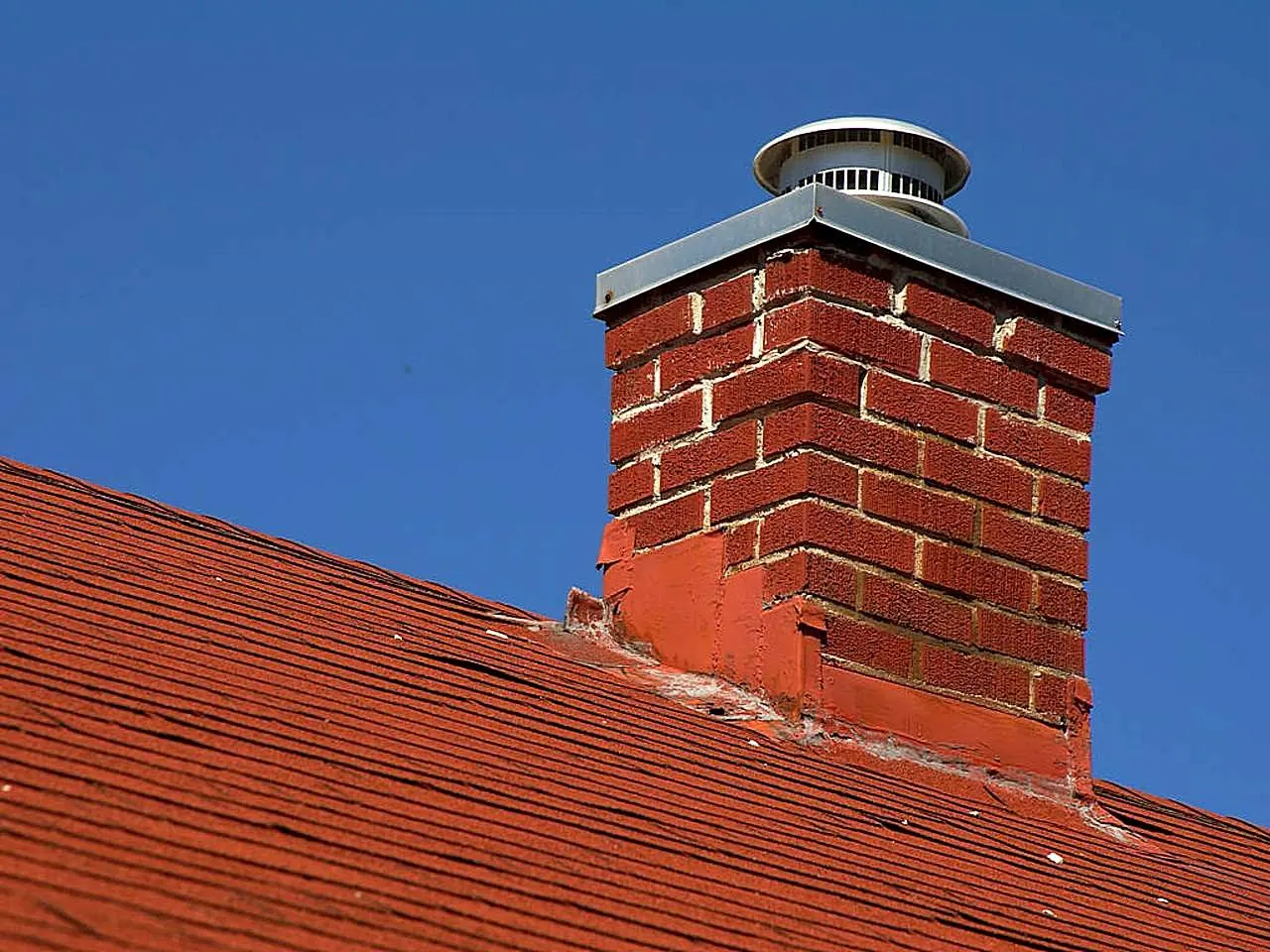
A chimney that is used through the heating season collects soot and creosote on the inside of the flue. A sweep removes that buildup with brushes and a vacuum, looks at the firebox and damper while the tools are out, and tells you what he sees. The visit is also the natural moment to ask whether the chimney should have a closer inspection.
Signs you may need chimney sweep and cleaning
- A fireplace or stove that smokes into the room
- A strong smoky smell when the fireplace is not in use
- Black, flaky or shiny deposits inside the firebox or on the damper
- A chimney that has not been cleaned since you moved in
- Slow, smoldering fires that never seem to draw well
- Soot falling into the firebox or the smell getting worse in humid weather
What happens next
- Tell us what you burn, what the chimney serves and your ZIP code
- We route the request to a local chimney technician
- The technician sweeps the flue, explains what was found and quotes any repair before it starts
What affects the cost
We do not publish prices because they depend on your chimney. These are the things that move the quote:
- Whether the chimney serves a fireplace, a stove, an insert or a furnace
- How much buildup there is and what kind
- Roof pitch and how the chimney is reached
- Whether a cap or liner is in the way
- Whether an inspection or repair is added to the visit
Questions
How often should a chimney be swept?
Chimney safety standards recommend an inspection at least once a year, and a sweep when the inspection shows buildup. How much you burn and what you burn changes how fast deposits form, so a technician can tell you what fits your use.
Do I need a sweep if I only burn gas?
Gas appliances still need a clear flue and a sound liner, because blocked or deteriorated flues are a risk. Ask for an inspection rather than assuming nothing needs checking.
Can I clean the chimney myself?
Small deposits in the firebox can be brushed out, but the flue runs through the house and roof and is hard to see. A technician with a camera can see what you cannot.